Neighborhood·Updated September 6, 2026
Hurricane, UT Home Values: What's Driving the Growth
Hurricane went from farm town to one of the fastest growing cities in Utah in five years. What that does to a home's value depends a lot on which part of town it's in.
Want your own number instead of a market average?
Check my home’s value →Twenty minutes east of St. George on State Route 9, Hurricane used to be the town you passed through on the way to Zion. Recent Census estimates put it around 27,000 people, up sharply since 2020 and among the fastest growth rates of any city in Utah. That growth is the whole story behind what homes here are worth, and it doesn’t play out evenly across town.
Three Hurricanes, three price bands
Hurricane isn’t one market. It’s at least three.
- The old town grid. The original blocks around Main Street and State Street, with older homes on bigger lots, mature shade, and the occasional orchard remnant. Values here depend heavily on the condition of the individual house and whether it’s been updated in the last twenty years.
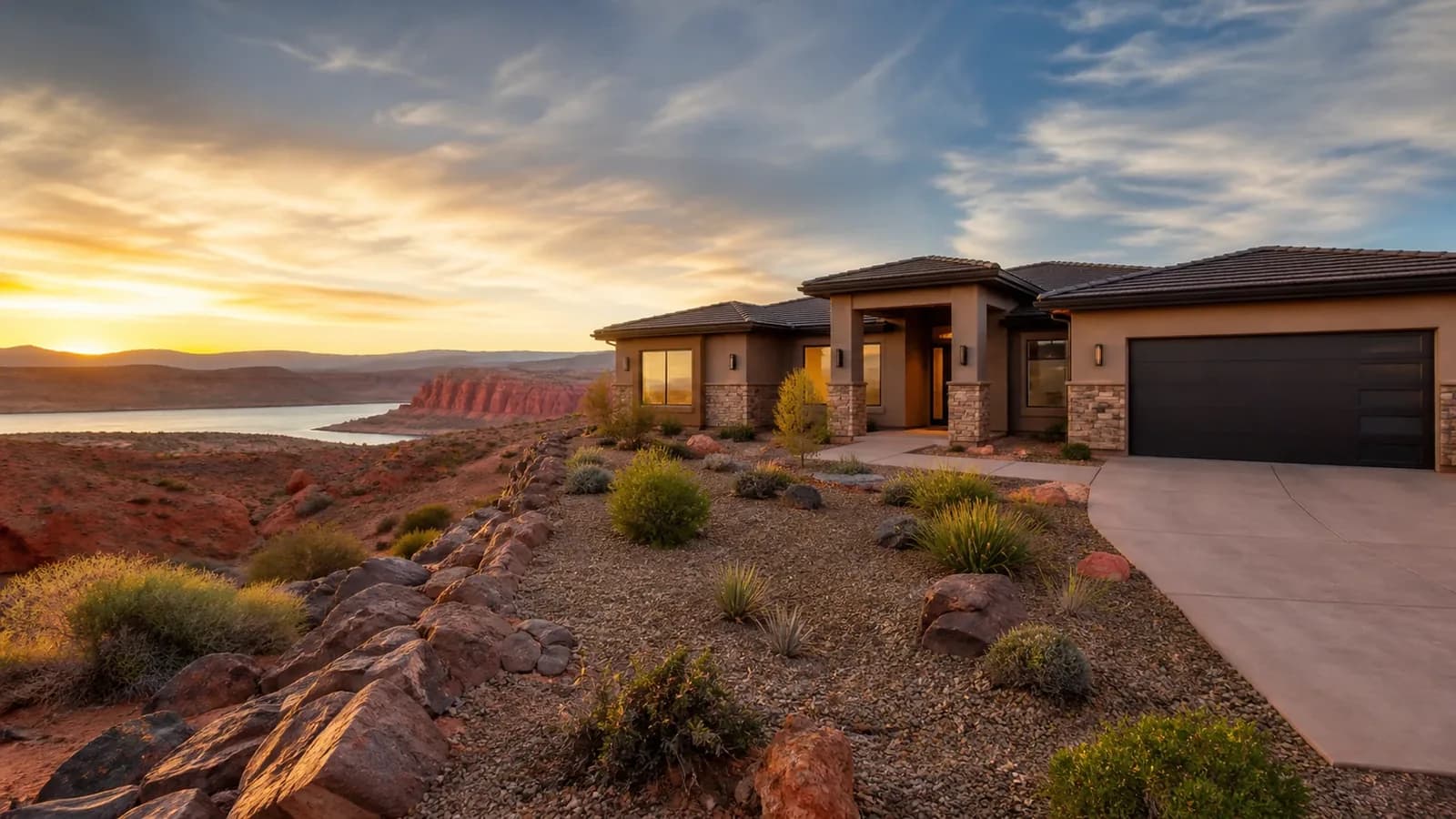
- The Sand Hollow side. Dixie Springs and the neighborhoods around Sand Hollow Reservoir and the Sand Hollow Resort golf course, where newer homes, second homes, and vacation rentals cluster. This is the priciest band and the one most tied to buyers from out of state.
- The newer subdivisions in between. Most of the growth since 2020, sold largely to families priced out of St. George and Washington City. Values here track new construction pricing closely, the way they do in Washington Fields.
A citywide median mashes all three together. Mid-2026 MLS figures put Hurricane’s median closed price at roughly $480,000, with homes going under contract in about five weeks and sellers getting close to 99% of their final asking price. Useful as a temperature check. Useless for pricing a Dixie Springs home and a 1970s house off Main Street, which shouldn’t start from the same number.
What’s pulling buyers here
Price, first. Hurricane has been the affordable answer for people who work in St. George, and every step the St. George market climbs sends a few more households east on Route 9. Then recreation: Sand Hollow State Park, Quail Creek, and the Zion corridor bring a steady stream of visitors, and a share of them come back as buyers. Then the commercial buildout along State Route 9 on the west side of town, which has made living in Hurricane feel less like commuting from a satellite town than it did even a few years ago.
What moves the number on your street
Reservoir views and access on the Sand Hollow side. RV garages and shop space, which Hurricane buyers weigh more heavily than St. George buyers because so many arrive with toys for the water and the dunes. Lot size in the old town, where a half acre with mature trees is a different product from a builder lot. Whether the home sits in a zone that allows vacation rentals, since that changes who can buy it and what they’ll pay. And how new the surrounding phase is, because a home in a subdivision that’s still under construction is competing with the builder’s incentives, not just the neighbor’s resale.
None of that comes through in a national estimate. Utah doesn’t publish sale prices, so those tools are already working from thin local data, and Hurricane’s three markets in one layout makes their neighborhood averages especially misleading. A home here deserves a valuation built from what’s closing in its own band.
Get your Hurricane home's real range
A free estimate that knows the difference between Dixie Springs and downtown, built from what's actually closing near you.
Get your Hurricane home's number